

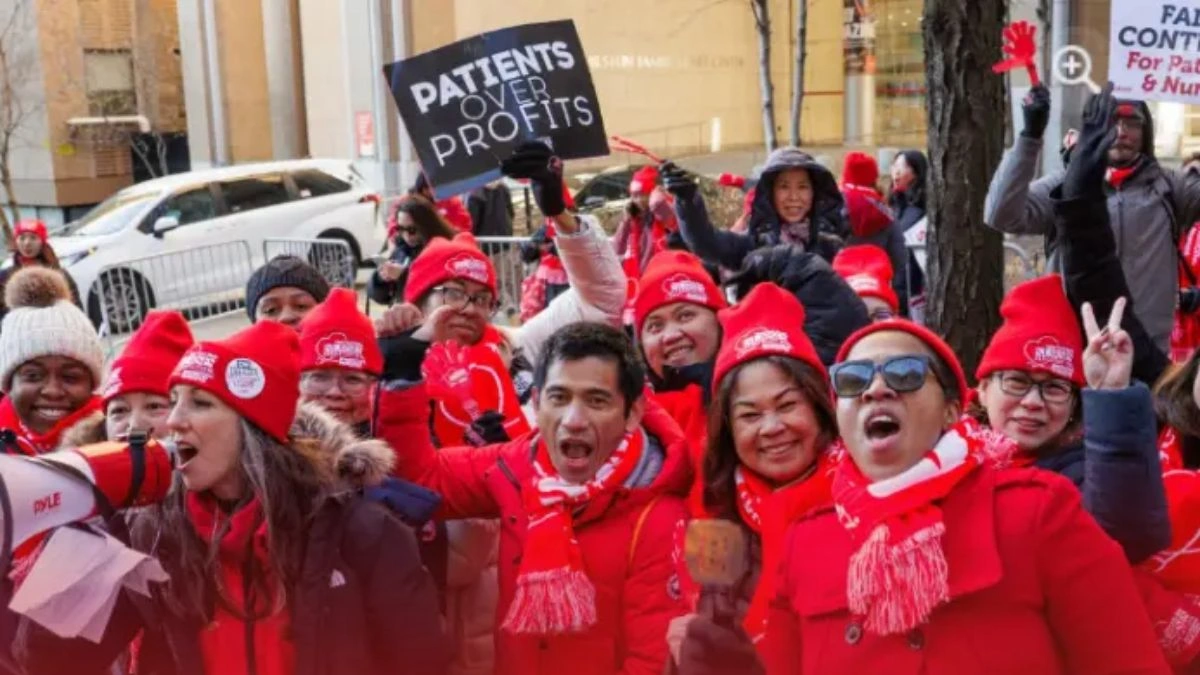
The longest nurses strike in New York City history has officially concluded, with nurses at NewYork-Presbyterian returning to their positions on Thursday. After more than a month on the picket lines, union members approved a new three-year labor agreement aimed at improving workplace conditions and patient care standards.
Overwhelming Support for a New Three-Year Contract
During the weekend vote, nurses decisively ratified the revised contract. According to the New York State Nurses Association (NYSNA), the agreement includes:
- Enhanced safety measures for staff and patients
- Increased wages
- Expanded health benefits
- Concrete steps to address chronic staffing shortages

NYSNA President Nancy Hagan emphasized the broader significance of the outcome, stating that after 41 days on strike, nurses not only improved patient care standards but also set a precedent for labor movements across the country.
Union and Hospital System Reach Midnight Deal
The agreement between the nurses union and NewYork-Presbyterian was finalized shortly after midnight on Friday.
This marked the second tentative deal reached between both sides. The previous proposal had been rejected overwhelmingly by union members, who argued it failed to provide adequate protections against potential layoffs.

The bargaining committee maintained that stronger job security provisions were necessary before any agreement could be approved.
Other NYC Hospitals Already Back on the Job
Nurses at Mount Sinai Hospital and Montefiore Medical Center ratified similar agreements earlier and returned to work on February 14. Their approvals paved the way for continued negotiations at NewYork-Presbyterian.
What Sparked the Nurses Strike?
The strike officially began on January 12, when approximately 15,000 nurses walked off the job at multiple facilities, including:
- Mount Sinai Hospital
- Mount Sinai Morningside and West
- Montefiore Medical Center
- NewYork-Presbyterian

The labor action followed unsuccessful contract negotiations with privately operated hospital systems. Nurses cited concerns about patient safety, staffing ratios, and workplace protections as central issues driving the walkout.
For more than four weeks, nurses maintained picket lines while negotiations continued. In response, hospitals brought in temporary travel nurses to maintain patient services. Officials also noted that some staff members crossed picket lines and continued working during the strike.
Impact on NYC Healthcare System
Despite the prolonged labor dispute, hospitals reported that patient care services remained operational due to contingency staffing measures. However, the strike brought national attention to staffing shortages and working conditions in major urban healthcare systems.
The newly approved contract signals a significant shift toward addressing long-standing concerns about nurse-to-patient ratios and workplace safety — issues that have been at the center of healthcare labor debates nationwide.
Conclusion
The end of the 41-day nurses strike at NewYork-Presbyterian marks a historic moment for New York City’s healthcare workforce. With stronger safety measures, improved pay, and better staffing commitments secured under a three-year agreement, nurses return to work with renewed confidence.
Beyond local impact, the resolution sets a powerful example for labor negotiations across the healthcare sector, reinforcing the role of collective bargaining in shaping safer hospitals and better patient care.
FAQs
How long did the NewYork-Presbyterian nurses strike last?
The strike lasted 41 days, making it the longest nurses strike in New York City history.
Why did nurses reject the first contract proposal?
Union members voted down the initial agreement because it lacked sufficient layoff protections and stronger staffing guarantees.
How many nurses participated in the strike?
Approximately 15,000 nurses walked out across several major New York City hospitals.